Case Studies

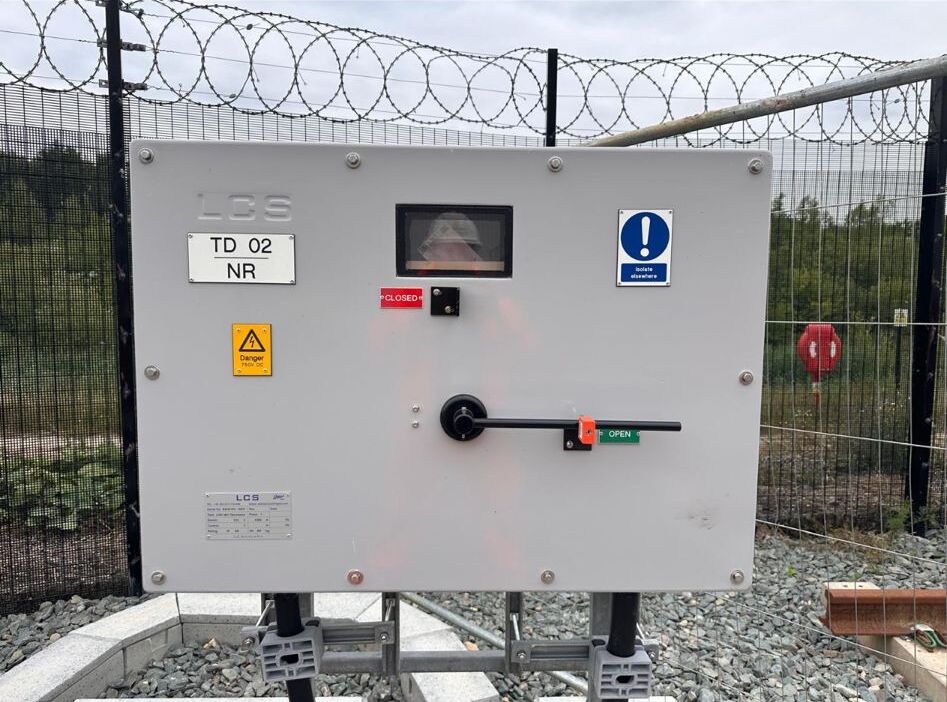
Goole 2
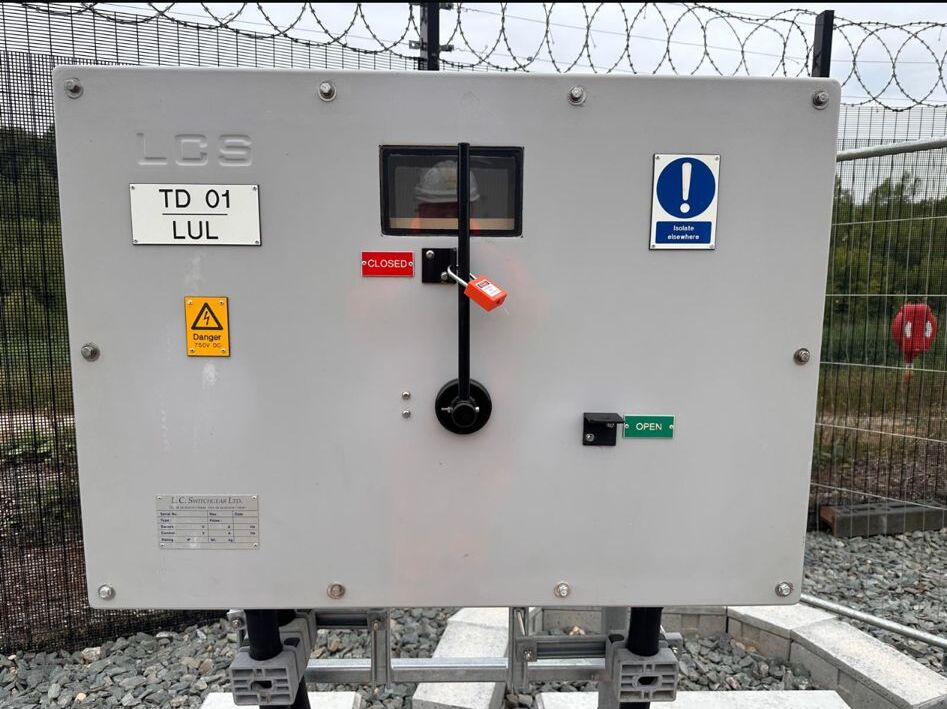
Goole 3
Goole 1

Overview: Specialist DC traction power design supporting commissioning of next generation rolling stock.

Services Delivered
• DC third and fourth rail electrification design
• Negative return system design
• Earthing and bonding design
• Integration with civil access routes and guardboarding
• Design of bespoke switching arrangements

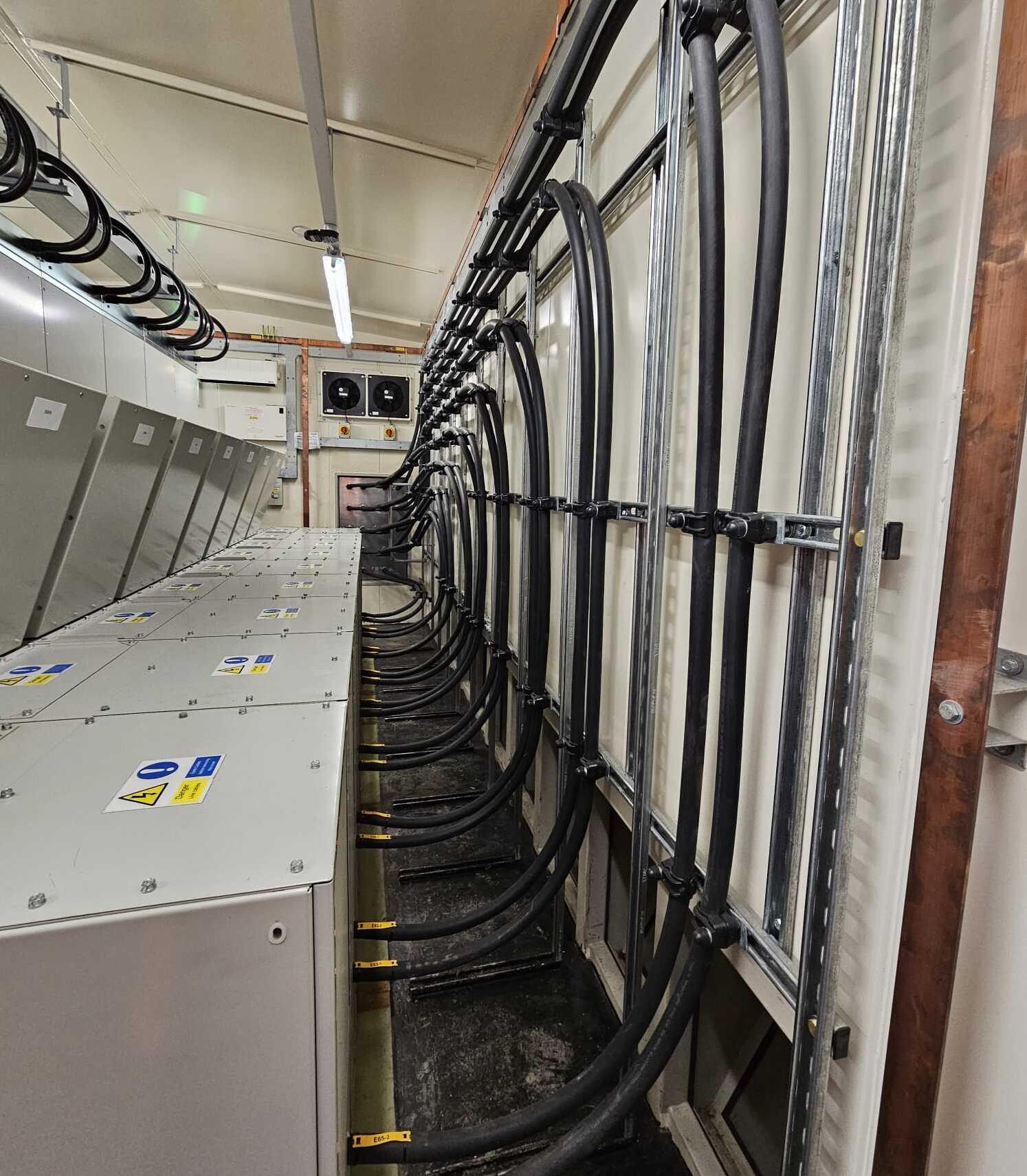
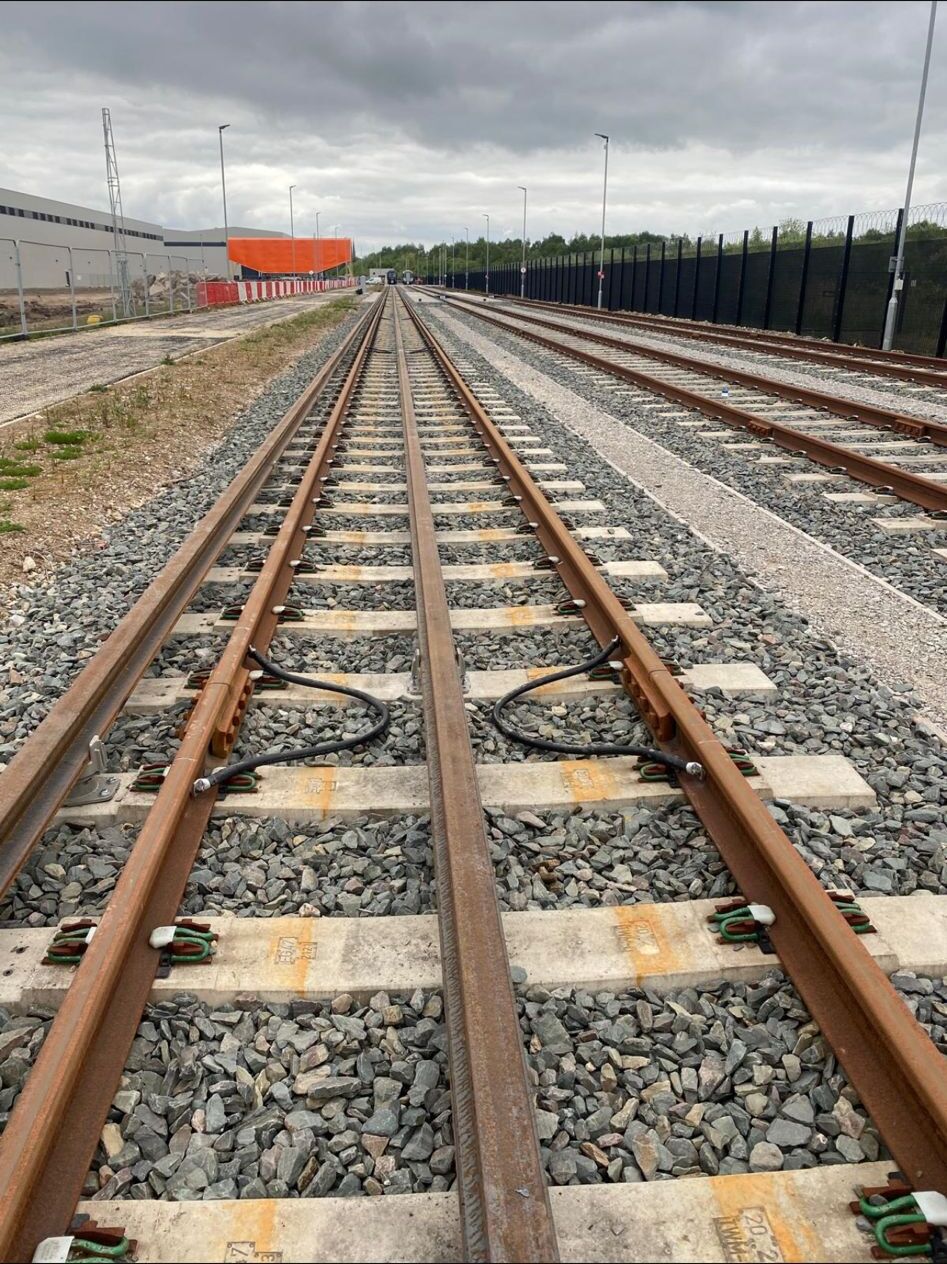
Phase Design & Engineering were commissioned by the Client to deliver the electrical design for a new DC conductor rail system within the sidings of a major UK train manufacturing facility in East Yorkshire. The infrastructure forms part of a programme supporting the assembly and commissioning of new rolling stock destined for the London Underground network.

The facility includes dedicated sidings used for testing newly constructed trains. One of the testing roads required electrification using a 750V DC third and fourth rail system to replicate operational traction power conditions during commissioning.

Phase Design & Engineering delivered a full electrification design including conductor rail arrangements, negative return systems, earthing and bonding and electrical safety interfaces. The works also required close coordination with the civil design team to ensure safe walking routes, compliant clearances and appropriate guardboarding around live conductor rails.

Key Challenges

  • Integration of Multiple Traction System Types: The testing facility required compatibility with both London Underground four rail systems and Network Rail rolling stock. The electrical design therefore required careful consideration of return current paths, transition zones and electrical safety arrangements.
  • Custom Negative Return Switching: A bespoke switching arrangement was required to allow the negative return circuit to be configured depending on the rolling stock being tested. This involved the integration of track disconnector switches enabling the return path to be switched between four rail and running rail systems.

Project Outcome
The project delivered a flexible and safe test track electrification system capable of supporting multiple traction power configurations. The bespoke switching arrangement provides a practical solution that enables testing of both London Underground and Network Rail rolling stock. Feedback from the wider project team highlighted the depth of DC traction expertise provided by Phase Design & Engineering and the pragmatic engineering approach adopted during delivery.
Share
Battersea Stewarts Lane 1
Battersea Stewarts Lane 2

Overview: Electrical and civil design support for complex upgrades within a fully operational rail maintenance depot.

Services Delivered
• LV electrical design support
• Termination schedules and control circuit documentation
• Civil design for new depot infrastructure
• Coordination with manufacturer equipment drawings
• Technical consultancy during construction and commissioning

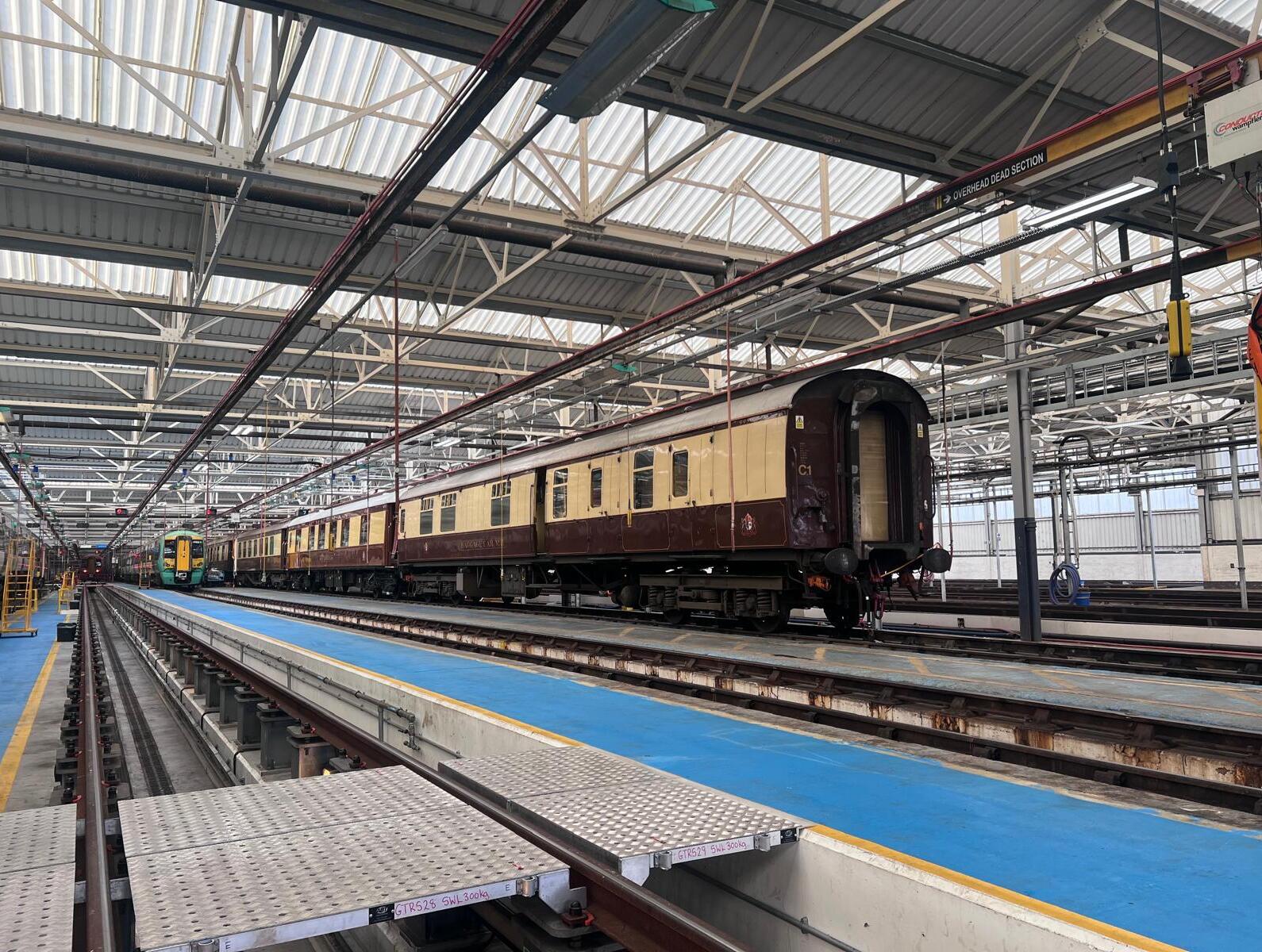
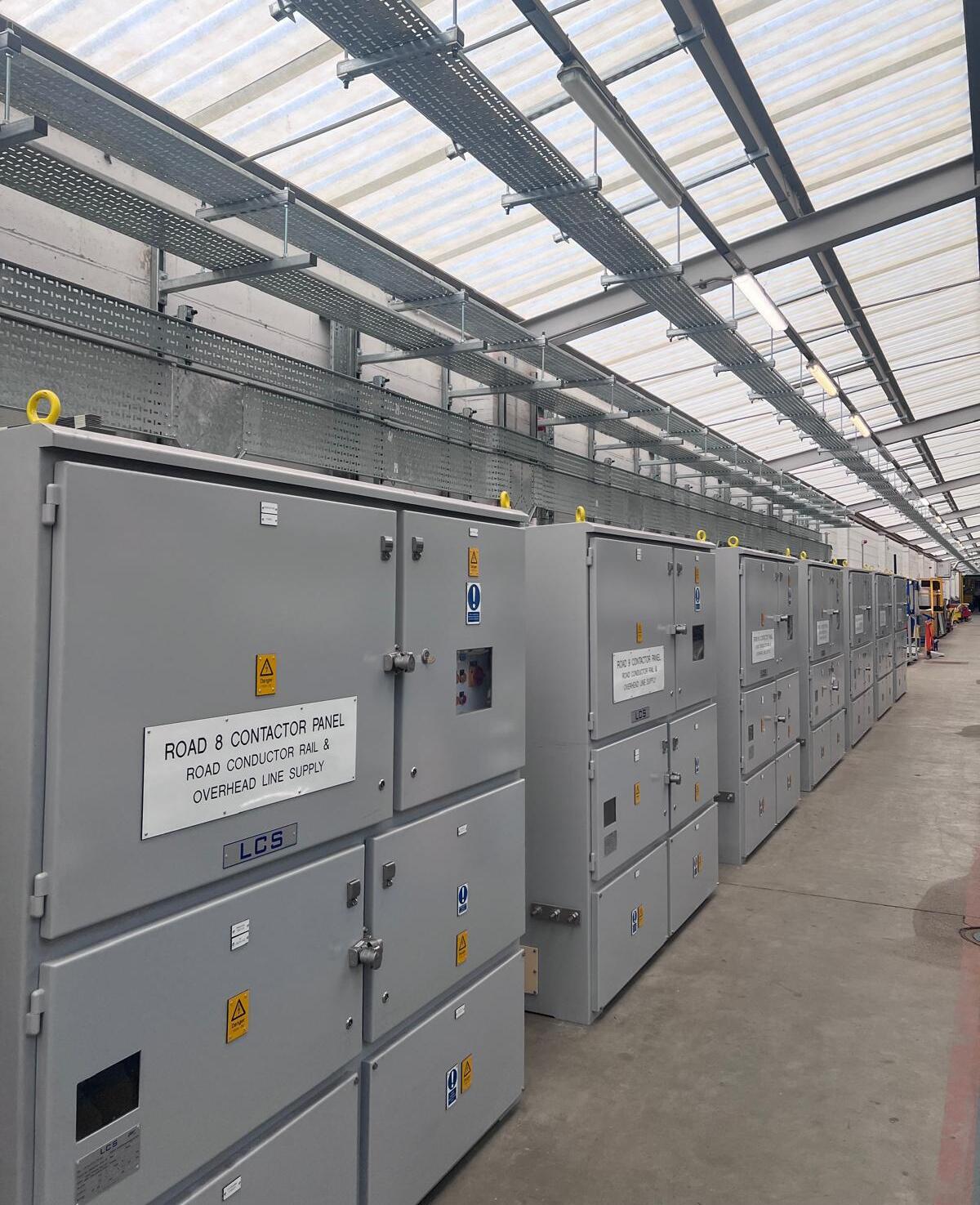
Phase Design & Engineering were appointed by the Client to support a complex power upgrade programme within a major rail maintenance depot in Central London. The works formed part of a wider initiative to improve operational resilience, safety systems and servicing infrastructure across the facility.

Phase provided civil design for new Controlled Emission Toilet (CET) infrastructure alongside DC and LV engineering support for several electrical upgrades across the depot.

A key element of the commission involved producing detailed termination schedules for electrical equipment located within the maintenance sheds. Using manufacturer drawings and equipment specifications, the Phase Design & Engineering team developed robust and clearly structured termination schedules for wall mounted and pendant emergency push button systems incorporating EPO, DC ON and DC OFF circuits.

To further support installation teams, Phase Design & Engineering also produced improved wiring diagrams clarifying the interface between site cabling and manufacturer supplied wiring. This additional clarity reduced installation risk and simplified the construction process.

Key Challenges

  • Maintaining Depot Operations: All surveys, verification and design activities were undertaken within a live depot environment. Activities were carefully coordinated with depot operations to avoid disruption to maintenance activities and train movements.
  • Resolving Incomplete Legacy Designs: Inherited documentation contained incomplete termination schedules and missing control circuit details. Phase Design & Engineering reviewed manufacturer information and filled the gaps to produce construction ready documentation.

Project Outcome
The design support provided by Phase Design & Engineering enabled the successful delivery of the depot upgrade works while maintaining continuous depot operations. Improved documentation and wiring clarity significantly reduced installation risk and provided confidence during the construction and commissioning stages. The project demonstrates the importance of practical engineering design within operational railway environments.

Share
Otterbourne 1
Otterbourne 2 (1)

Overview: Precision civil and electrical design delivered in a constrained traction power environment.

Services Delivered
• E&P design for NSCD traction cabling and negative return system
• Bespoke negative busbar design
• Civil and structural design of elevated access walkway
• Integrated cable management design
• Survey coordination and fabrication level detailing

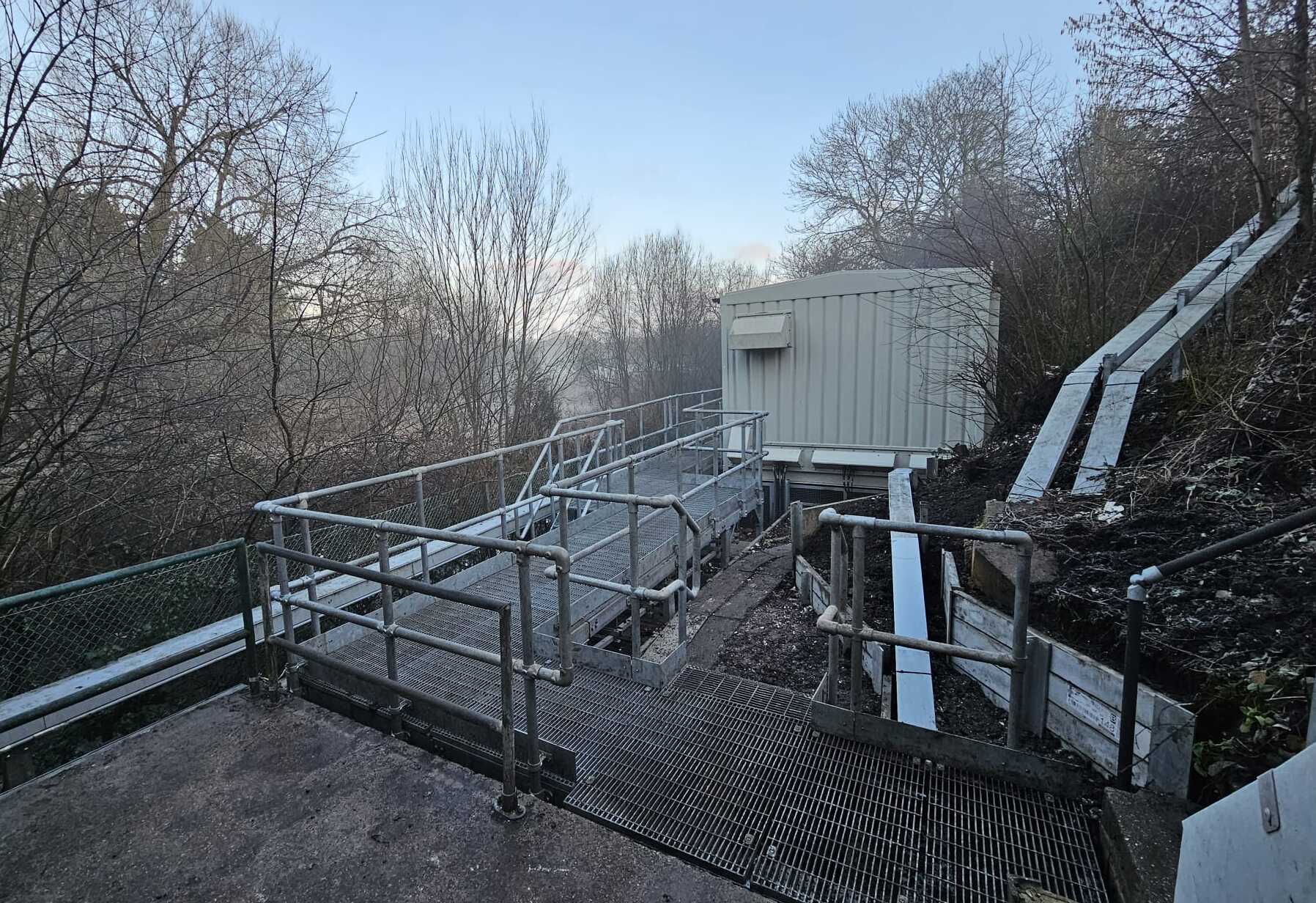
Circuit Device (NSCD) arrangement at a traction power location where a historic B4 configuration had been partially installed. The project required a complete redesign of the traction cabling associated with the NSCD installation together with a bespoke negative busbar and an elevated steel walkway linking the NSCD module to the TP Hut.
The site presented significant constraints. Located at the base of a steep embankment and prone to flooding, the equipment locations sat at differing levels with limited available ground space. To provide safe operational access and accommodate new traction cable routes, Phase Design & Engineering designed a raised structural walkway incorporating integrated cable containment beneath the structure.

The design required careful coordination of structural supports, cable routes and foundation levels. Variations in column heights and integrated fall within the walkway were developed to ensure correct drainage and compliance with electrical clearance requirements. Close collaboration with the Client’s construction team and the steel fabricator ensured the design could be fabricated and installed with millimetre accuracy.

Key Challenges

  • Precision Design Requirements: The constrained site geometry and varying levels meant the access structure and containment routes had to be designed to extremely tight tolerances to ensure successful fabrication and installation.
  • Working Within an Operational Electrical Environment: The design had to consider existing DC traction equipment and LV systems within an operational traction power site. Cable containment and access routes were coordinated carefully to avoid interference with operational equipment and minimise isolations

Project Outcome
The completed design enabled safe commissioning of the NSCD system and improved operational safety at the location. Operators can now apply negative short circuit protection using a local control panel rather than manual straps, enabling faster and safer electrical isolations during maintenance and track access activities. The project demonstrates the value of an integrated multi discipline design approach combining civil and electrical engineering expertise.

Share
ashford depot
Ashford Depot image

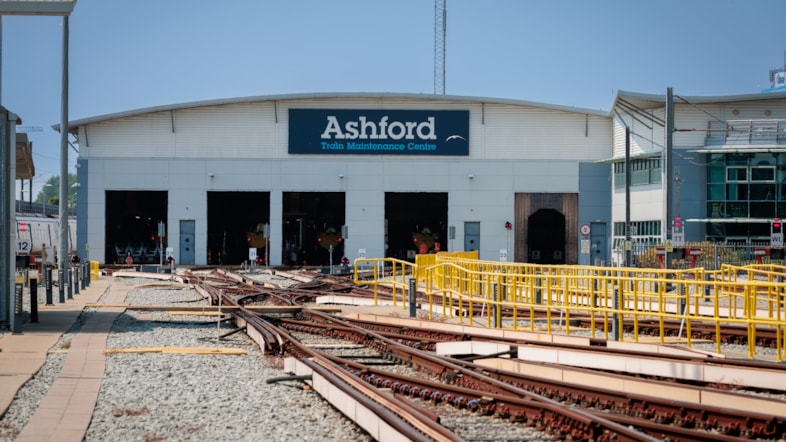
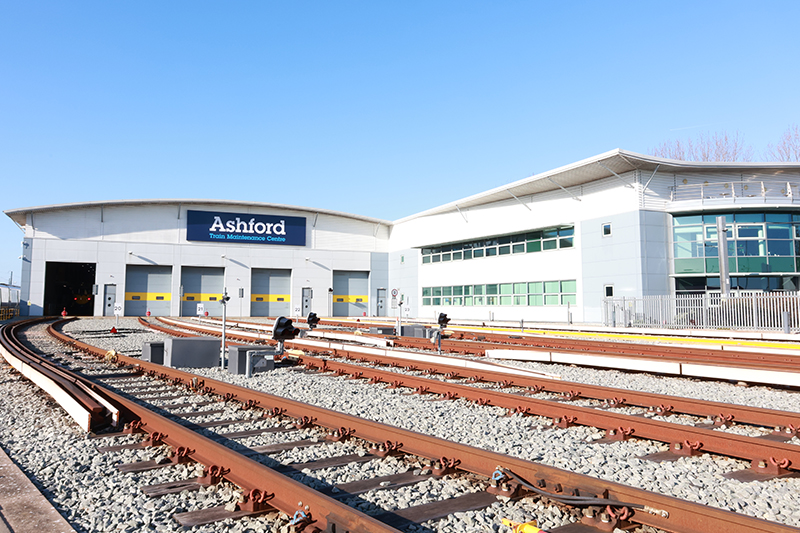
Overview: A comprehensive electrical and lighting survey was carried out at Ashford Depot to assess the condition, safety, and efficiency of existing infrastructure across the entire site.

The project involved a full inspection of electrical equipment to produce a detailed condition report, alongside a complete lighting survey covering all operational areas of the depot. The findings were structured using a bespoke 1–5 condition scoring matrix, providing clear prioritisation for maintenance, repair, or replacement activities.

The final deliverables included a full asset schedule detailing equipment condition, photographic records, and summarised findings to support future investment planning. Thermal readings were also taken to identify potential electrical hot spots, providing additional insight into operational risks.

Key Challenges

Maintaining depot operations
All survey work was undertaken within a live depot environment. The team carefully coordinated activities with depot operations to ensure there was no disruption to ongoing maintenance or train movements.

Working with live electrical systems
Many assets were energised during the inspection process. Strict adherence to safe systems of work and electrical safety procedures was essential throughout the survey.

Large survey scope
The depot footprint included over 800 lighting units, all of which were inspected, recorded, and assessed as part of the condition survey.

Project Outcome

The survey provided the client with a clear, structured understanding of the condition of electrical infrastructure across the depot. The inclusion of condition scoring, thermal data, and energy-efficiency assessments enabled informed decision-making on maintenance priorities, asset replacement, and potential energy savings through LED lighting upgrades.

Share
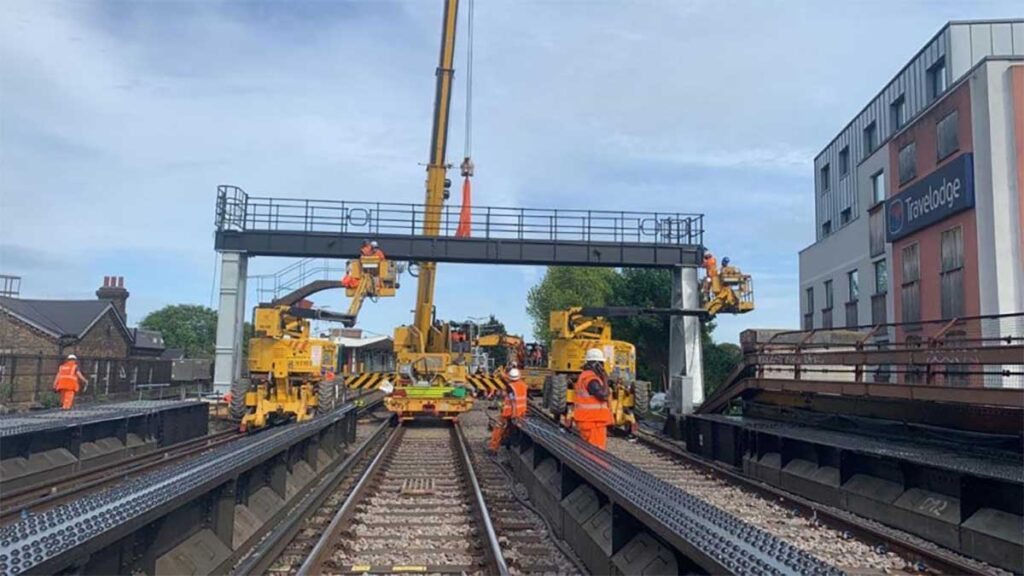
South-london-signalling-1024x576
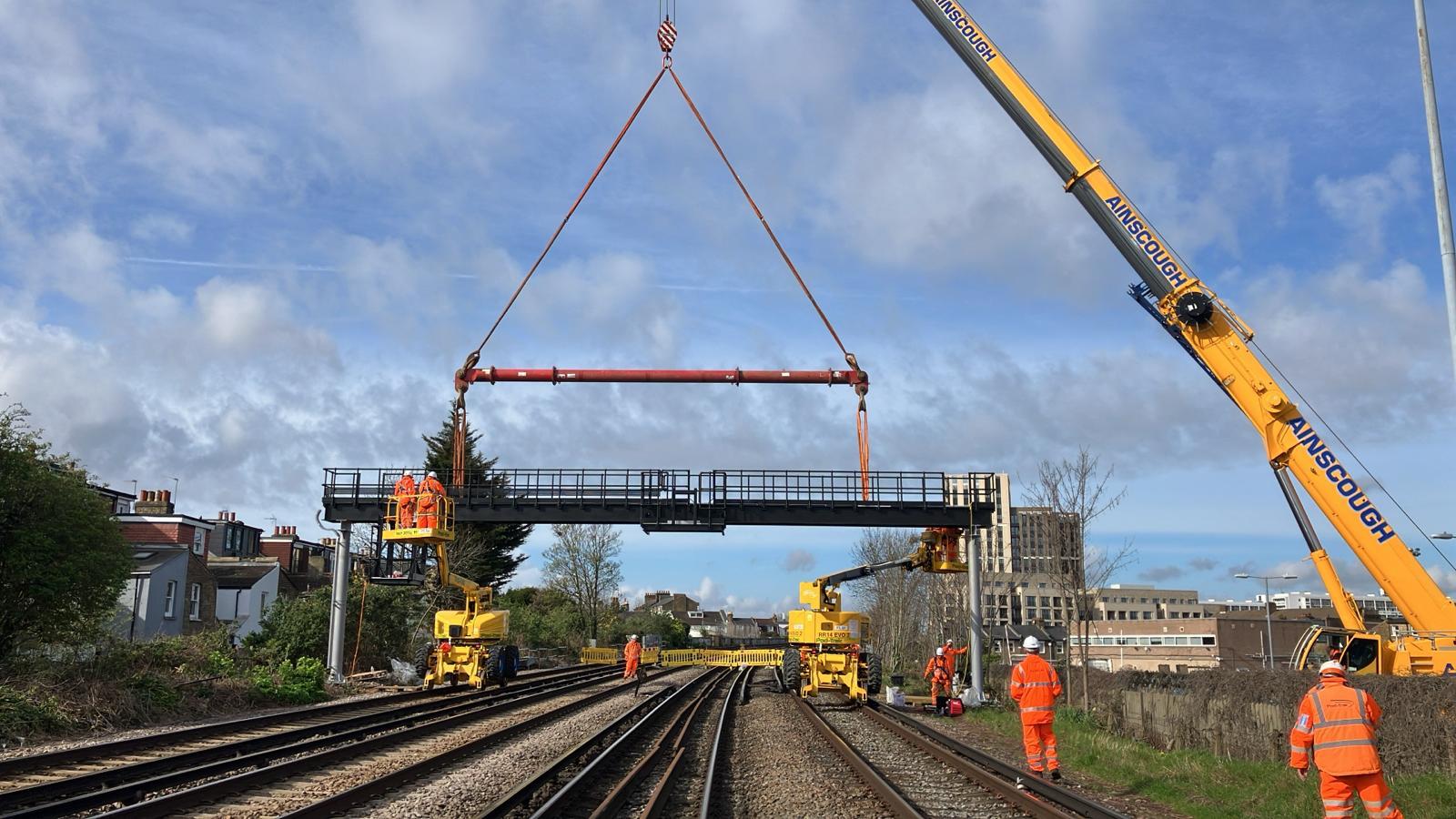
Signalling upgrades south london

Overview: The Streatham CTS (current transfer switch) project involved a multi-disciplinary design to upgrade legacy CTS equipment, alongside the associated power control equipment with modern systems, all while maintaining operational continuity. The scope required coordination between the in-house multi-discipline engineering teams, across civil, E&P, and ETE disciplines, to deliver a fully integrated design solution.

The design works included new equipment base and hardstanding area, cable routing strategy, and full renewal of the positive and negative DC cable systems. In addition, the design incorporated an extension to the existing low-voltage supply and communications cabling to ensure continued connectivity between the new equipment and the Streatham substation.

The key element of the project was the replacement of legacy CTS equipment with modern LCS equivalent, improving reliability and maintainability of the infrastructure.

Key Challenges

Difficult trackside arrangements
The proposed locations for the new LCS CTS units were situated on a steep embankment. The design considered the required delivery and installation logistics to enable an off-track construction approach, helping to reduce construction risks and support the overall programme.

Maintaining communications integrity
The communications cabling extension needed to maintain the required connectivity between the new CTS equipment and the Streatham substation. Early liaison with LCS directly ensured compatibility between the legacy communication system and the modern LCS equivalent, particularly regarding cable types and termination requirements.

Constrained cable routing
The on-track cable route was restricted due to nearby track infrastructure points layout, and the need to avoid moving parts and equipment. The new cabling also had to maintain correct cable segregation throughout. Careful routing and coordination were required to ensure compliance with railway standards while fitting within the limited available corridor.

Project Outcome

The design delivered a coordinated multi-discipline solution that enables the safe replacement of legacy CTS equipment with modern infrastructure. By addressing constructability and operational constraints early in the design process, the project supports efficient installation while maintaining system functionality and reliability.

Share
NULL